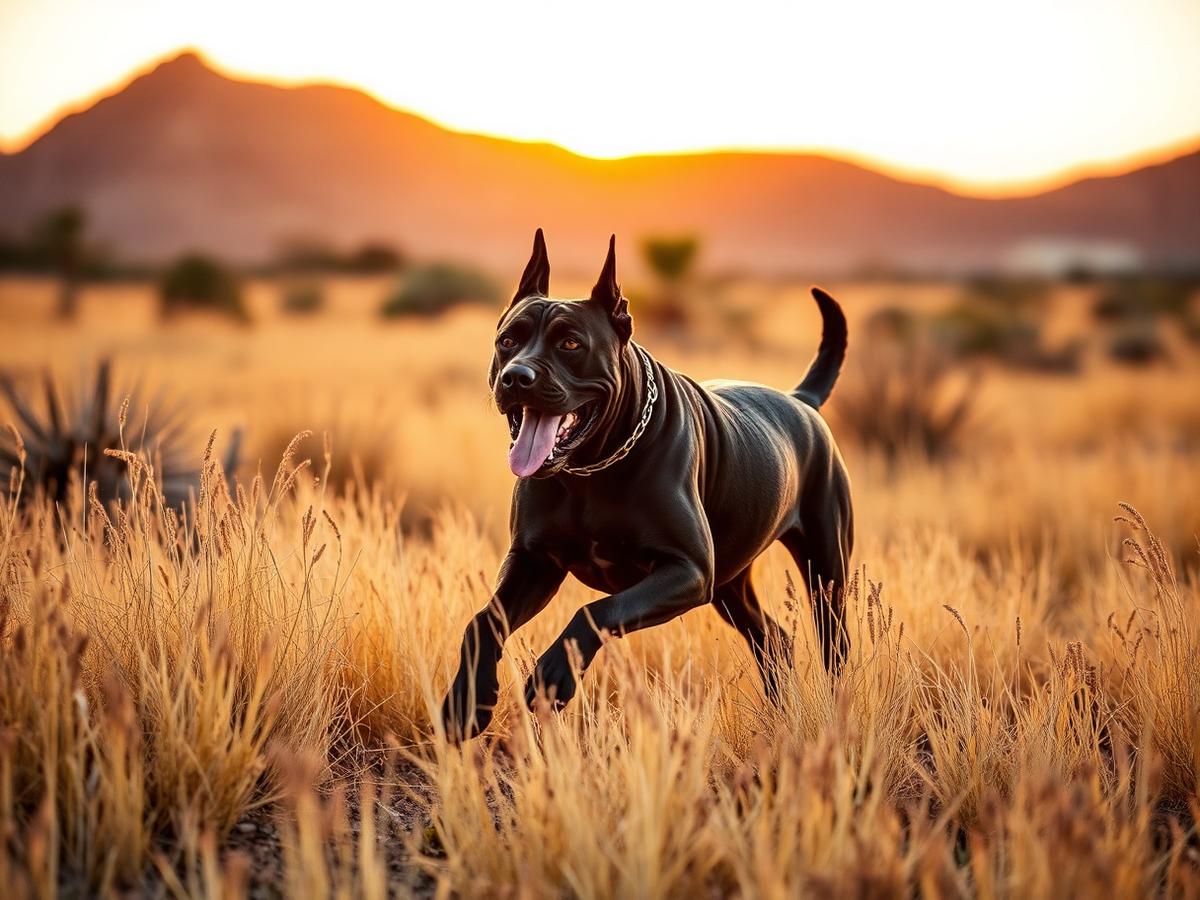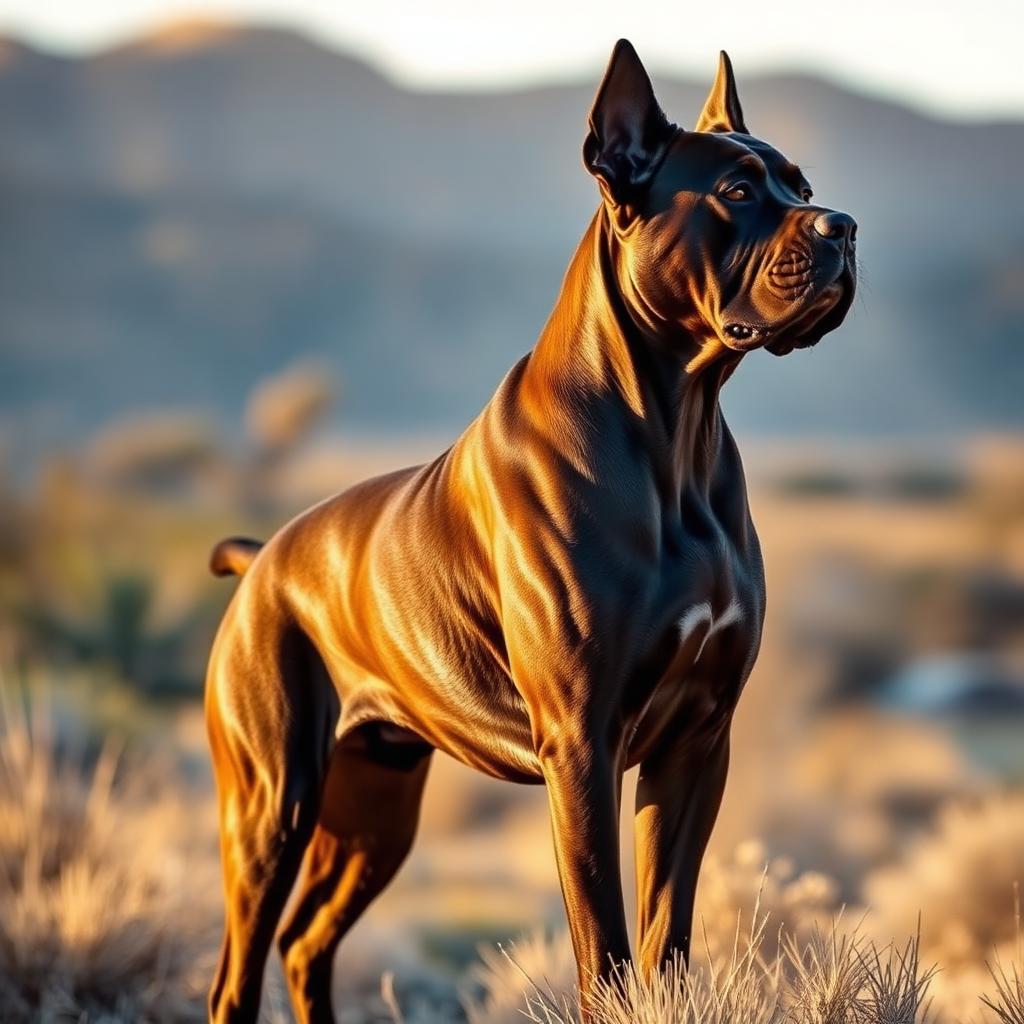

This breed sits in an interesting spot: they're athletic and need real physical work, but they're also slow-maturing giants whose joints can be damaged by too much too early.
Getting the balance right through the first eighteen months pays off for the next decade.
The puppy rule
A widely used guideline is roughly five minutes of formal walking per month of age, once or twice daily — about fifteen minutes twice a day at three months, thirty minutes twice a day at six months.
That's structured leash walking. Free play in a yard at the puppy's own pace is different and generally self-limiting, because puppies stop when they're tired. What's harmful is forced activity they can't opt out of: jogging alongside a bike, long hikes, repetitive fetch on hard ground, or stairs run over and over.
Growth plates and why timing matters
Growth plates in a giant breed don't close until roughly fourteen to eighteen months. Until then, repetitive high-impact loading can cause damage that shows up years later as arthritis.
Save running, agility jumps, and long-distance work for after your veterinarian confirms the plates have closed. Before that, prioritize variety, surfaces, and duration over intensity.
Adult exercise: what a good week looks like
A mature Cane Corso does well on 60 to 90 minutes a day, split into two or three sessions and mixed rather than repetitive.
- Two brisk 30-minute walks with sniffing time built in
- One or two structured training sessions of 10 to 15 minutes
- Weekly hikes or long-line work on varied terrain
- Controlled swimming, which is excellent low-impact conditioning
- Weight-pull or drag work only with proper conditioning and guidance
Mental work does more than mileage
A Corso that has worked its brain settles far more completely than one that has only walked. Fifteen minutes of nose work, a food puzzle, or a training session teaching something genuinely new will do more for household calm than an extra half hour on pavement.
This is a guardian breed built to think and make decisions. Give it something to think about and most of the classic boredom behaviors — chewing, digging, nuisance barking — quietly disappear.
Heat, especially in Arizona
Corsos are a short-muzzled, dark-coated breed and they do not shed heat well. From May through September we walk at dawn and after dark, test the pavement with the back of a hand for five seconds, and cut sessions short on high-humidity days.
Know the early signs of heat stress: heavy panting that doesn't slow, bright red gums, thick drool, wobbliness. Cool the dog with room-temperature water and get to a vet — heatstroke escalates fast in this breed.
Frequently asked
- Can I run with my Cane Corso?
- Once growth plates close, around 14 to 18 months, and after building up gradually. Running a puppy alongside you is one of the most common causes of avoidable joint damage.
- How much exercise does a Cane Corso puppy need?
- Roughly five minutes of structured walking per month of age, once or twice a day, plus free play at the puppy's own pace.
- What happens if a Cane Corso doesn't get enough exercise?
- Boredom behaviors set in — destructive chewing, digging, barking, and pacing — and weight gain accelerates joint problems. Mental work solves a surprising amount of it.