
Color is the first thing most families ask us about, and it's the last thing we'd tell you to choose on. But it's a fair question — Cane Corso coats vary more than people expect, and there's a lot of misinformation out there, especially around so-called rare colors.
Here's a straight explanation of every coat you'll actually see in this breed, what the standard accepts, and what to be skeptical of.
The AKC-accepted Cane Corso colors
The American Kennel Club breed standard recognizes a specific set of colors. Anything outside this list can still be a wonderful dog, but it can't be shown, and in some cases it signals crossbreeding somewhere in the line.
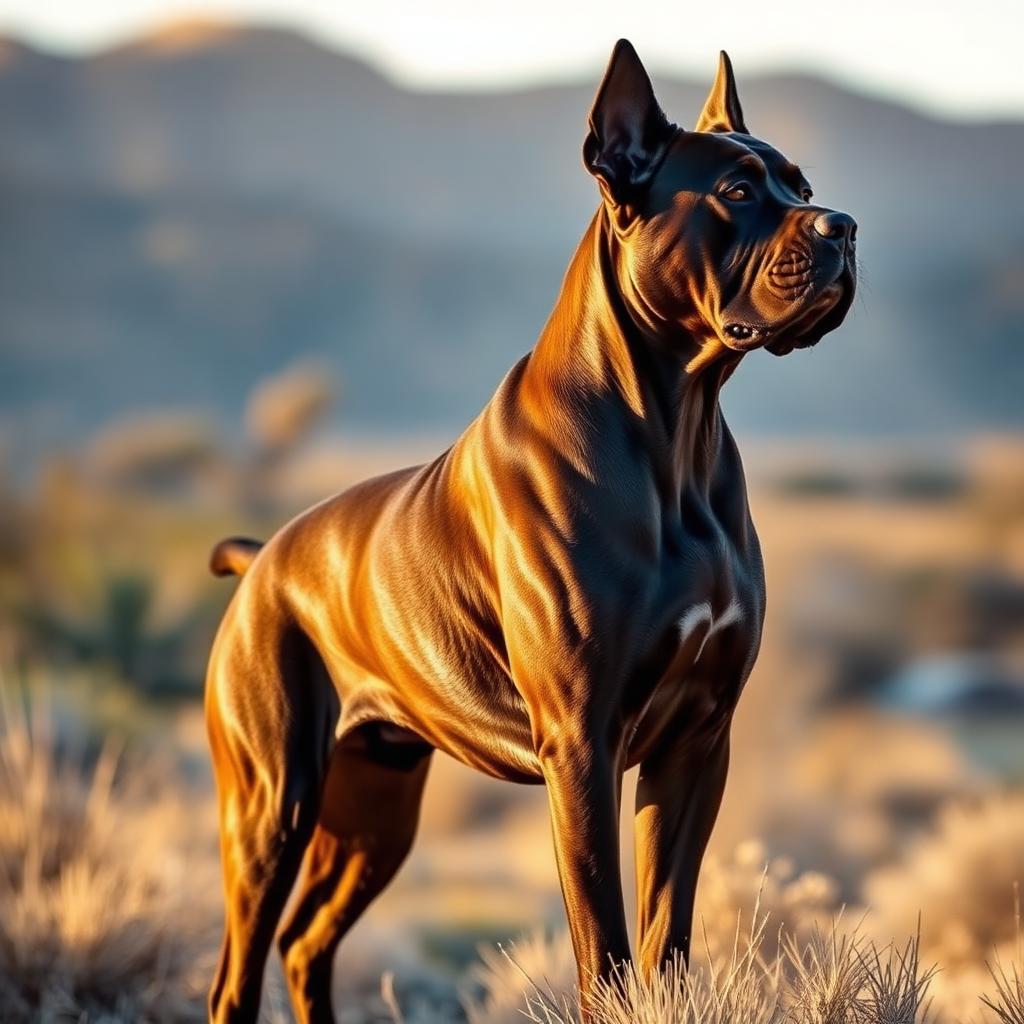
- Black — the most common and most recognized Corso coat, solid and glossy
- Gray (often called blue) — a diluted black, ranging from slate to soft silver
- Fawn — a warm tan, from pale cream through deeper honey
- Red — a richer, rustier version of fawn, sometimes deepening with age
- Brindle — dark striping layered over a fawn or red base
- Gray brindle — striping over a diluted base, sometimes called blue brindle
- Chestnut brindle — warm reddish striping, one of the more striking patterns
What formentino actually means
Formentino is the color families ask about most, and it's widely misunderstood. It isn't a separate color category — it's a diluted fawn, meaning the dog carries the same dilution gene that turns black into gray. The result is a pale, wheat-toned coat with a distinctive gray or blue mask rather than a black one.
The word comes from the Italian for fermented wheat, which describes the shade well. It's genuinely lovely. It's also frequently used as a sales term to justify a higher price, which is where families get taken advantage of.
Masks, markings, and what's normal
Most Corsos carry a mask — a darker area across the muzzle. A black mask should not extend past the eyes, and a gray mask appears on dilute dogs. Both are correct depending on the coat.
A small patch of white on the chest, throat, chin, or toes is perfectly acceptable under the standard. Larger white markings, or white spreading across the body, fall outside it. Neither affects the dog's health or temperament, but an honest breeder will point it out rather than describe it as a special marking.
Be skeptical of 'rare' color claims
If a breeder is charging a premium for a merle, tricolor, solid white, or black-and-tan Cane Corso, walk away. None of these exist naturally in a purebred Corso. Merle in particular does not occur in this breed at all — its presence means another breed was introduced somewhere in the pedigree, and the merle gene carries real health risks including deafness and eye defects when doubled up.
Color rarity is the oldest upsell in dog breeding. A well-bred black Corso from health-tested parents is worth vastly more to your family over the next decade than an unusual coat from a breeder who couldn't tell you the hip scores of either parent.
Does coat color affect temperament or health?
No. There is no credible evidence linking coat color to temperament in this breed. A blue Corso is not calmer than a black one, and a formentino is not softer than a red. Temperament comes from genetics on the parents' side and from how the puppy is raised in its first eight weeks — nothing else.
There is one health nuance worth knowing. Dilute coats — blue, gray, and formentino — occasionally carry a condition called color dilution alopecia, which causes thinning hair and flaky skin. It's cosmetic rather than dangerous, and it's uncommon in well-bred lines, but it's more likely in dogs bred specifically to chase the dilute look.
How we think about color in our own litters
We breed primarily for structure, health, and temperament. Color falls out of that naturally — we've had litters that were almost entirely black and litters heavy on brindle, and we don't select pairings to manufacture a particular coat.
When families come to meet a litter, we encourage them to spend time with the puppies before deciding. In our experience, the puppy that settles into someone's lap is almost never the one they walked in planning to pick. That's usually the right match, whatever color it happens to be.
Frequently asked
- What is the rarest Cane Corso color?
- Among accepted colors, chestnut brindle and true formentino are the least common. But be cautious with rarity claims — merle, tricolor, and solid white Corsos are not purebred, and any breeder charging extra for them is selling you a problem rather than a rare dog.
- Do Cane Corso puppies change color as they grow?
- Somewhat. Brindle striping often becomes more defined with age, red coats can deepen, and masks may lighten or sharpen. The base coat itself stays the same — a black puppy stays black.
- Is a blue Cane Corso more expensive?
- It shouldn't be. Some breeders price dilute coats higher because demand is strong, but color has no bearing on the quality, health, or temperament of the dog. Price should reflect health testing and lineage, not coat.